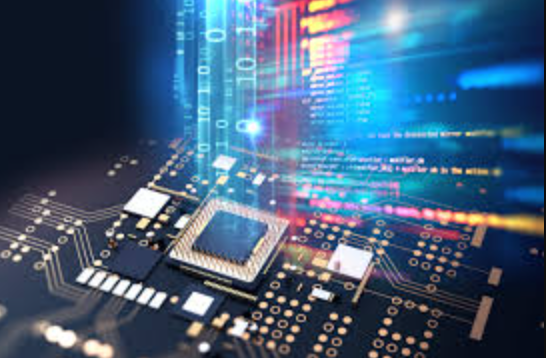
The distinction between hardware and software is fundamental to understanding modern computing systems. Hardware consists of tangible components, like processors and memory, while software includes the programs that operate on this hardware. This relationship is not merely functional; it is symbiotic. Hardware lays the groundwork for software’s execution, and in turn, software enhances hardware capabilities. Exploring these elements reveals deeper insights into their roles and interactions, inviting further examination of their combined impact on technology.
Understanding Hardware: The Physical Components
Hardware serves as the backbone of any computing system, encompassing all the tangible components that enable functionality. Various component types, such as processors, memory, and storage drives, contribute to the overall performance.
The physical design of these elements influences their efficiency and compatibility, ultimately impacting user experience. Understanding these components is essential for those who seek to optimize their technological freedom and capabilities.
See also: nurokindia
Exploring Software: The Programs That Power Devices
The functionality of a computing system extends beyond its physical components to the software that drives it. Various application types, from productivity tools to entertainment software, illustrate software’s versatility.
Software development employs diverse programming languages, shaping how applications interact with user interfaces. This synergy between user experience and technical execution empowers users, enhancing their freedom to utilize devices in ways that suit their individual needs.
The Interplay Between Hardware and Software
While hardware provides the tangible framework of a computing system, software serves as the essential catalyst that unlocks its potential.
The hardware-software synergy is crucial for maximizing system performance optimization. Effective collaboration between these components allows for enhanced functionality and efficiency, ensuring that users can harness the full capabilities of their devices.
Ultimately, this collaboration fosters a seamless and empowering computing experience.
Key Differences and Similarities Between Hardware and Software
Understanding the key differences and similarities between hardware and software is vital for grasping how computing systems operate.
Hardware types, such as processors and memory devices, provide the physical infrastructure, while software categories, including operating systems and applications, enable functionality.
Together, they form an integrated system, where hardware supports software execution, and software enhances hardware capabilities, illustrating their interdependent relationship.
Conclusion
In the grand symphony of computing, hardware and software play their respective notes, creating a harmonious blend that drives modern technology. Like a conductor guiding an orchestra, software directs the raw power of hardware, ensuring a seamless performance. Understanding their distinct yet intertwined roles is crucial for appreciating the intricate dance of innovation. As technology continues to evolve, recognizing this relationship will empower users to harness the full potential of their devices, much like a maestro mastering a complex score.