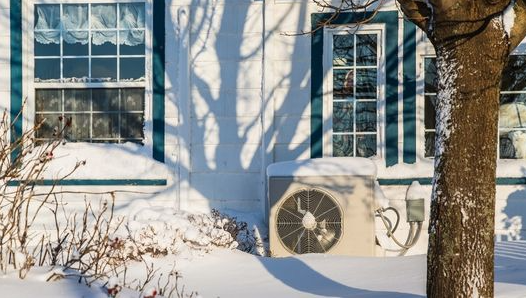
Green home improvement trends reflect a growing awareness of environmental impacts. Homeowners are increasingly adopting energy-efficient appliances and sustainable building materials to reduce their ecological footprints. The integration of smart home technology further enhances energy management. Additionally, eco-friendly landscaping practices promote conservation and biodiversity. These trends are not just about aesthetics; they signify a shift towards responsible living. Exploring their implications reveals deeper insights into sustainable home practices.
Energy-Efficient Appliances
How can homeowners reduce their energy consumption while maintaining modern conveniences?
By investing in energy-efficient appliances with energy-saving features, they can significantly lower utility bills without sacrificing comfort.
Additionally, appliance recycling programs offer an eco-friendly method to dispose of outdated models, promoting sustainability.
Embracing these options empowers homeowners to make responsible choices that support both their freedom and the environment.
See also: nurokindia
Sustainable Building Materials
As the demand for environmentally conscious construction practices increases, homeowners and builders alike are turning to sustainable building materials to minimize their ecological footprint.
Recycled materials, such as reclaimed wood and metal, offer durability while reducing waste.
Additionally, bamboo products, known for their rapid growth and renewability, provide an eco-friendly alternative that combines aesthetic appeal with structural integrity, fostering a sustainable future in construction.
Smart Home Technology for Sustainability
The integration of smart home technology presents a significant opportunity to enhance sustainability in residential environments.
Smart thermostats optimize heating and cooling, reducing energy consumption, while automated lighting systems ensure that lights are only on when needed.
These advancements not only lower utility bills but also promote a lifestyle aligned with environmental responsibility, empowering homeowners to make conscious, efficient choices for a sustainable future.
Eco-Friendly Landscaping Solutions
While traditional landscaping often prioritizes aesthetics over ecological impact, eco-friendly landscaping solutions present a transformative approach that harmonizes beauty with sustainability.
By incorporating native plants, homeowners can create resilient ecosystems that require less water and maintenance.
Additionally, xeriscaping techniques minimize reliance on irrigation, promoting conservation.
These strategies not only enhance outdoor spaces but also empower individuals to make environmentally conscious choices, fostering a sense of freedom in design.
Conclusion
In the quest for a greener future, homeowners are becoming modern-day stewards of the environment, much like the pioneers of sustainable living. By embracing energy-efficient appliances, sustainable building materials, smart home technology, and eco-friendly landscaping, they are not just enhancing their homes but also contributing to a collective ecological renaissance. This harmonious blend of innovation and responsibility resembles a symphony, where each note plays a vital role in creating a sustainable and comfortable living space for generations to come.